









Tienda
Mostrando 97–108 de 206 resultados
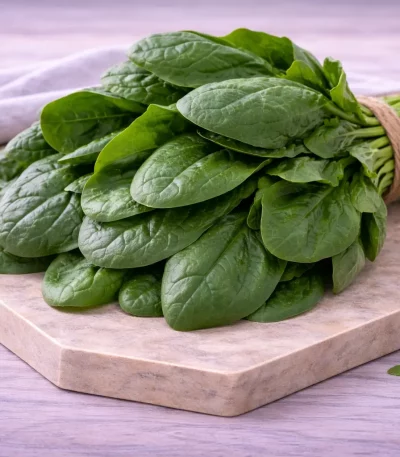
Espinacas (400 g)
1,95€Las espinacas pueden comerse crudas o cocinadas junto a otros platos. Destacan por su alto valor nutricional y su contenido en agua, minerales y vitaminas.

Garbanzo lechoso (kg)
4,10€El garbanzo lechoso es ideal para cocidos, guisos, ensaladas o para platos de verduras. Es de tamaño grande y color blanco ligeramente amarillento.
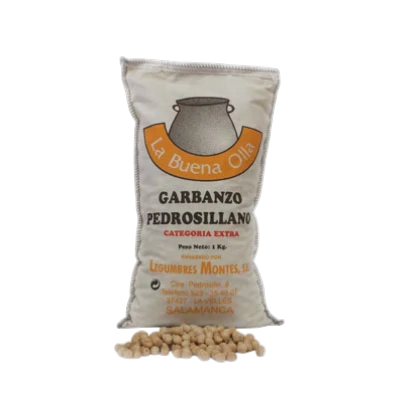
Garbanzo pedrosillano (kg)
2,50€El garbanzo pedrosillano tiene forma redondeada y un tamaño pequeño. Es de fácil cocción y su piel no se desprende transmitiendo todo su sabor al plato.
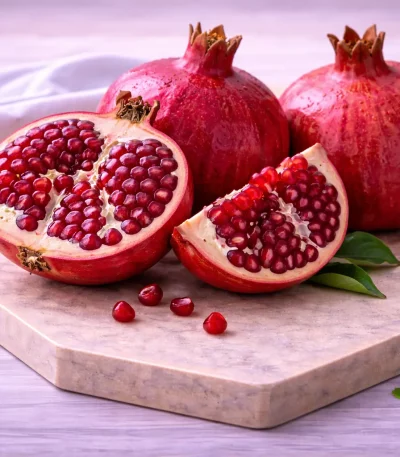
Granadas (kg)
3,95€Las granadas son frutas de bajo contenido en hidratos de carbono y calorías, consumidas como fruta fresca o ingrediente de ensaladas.
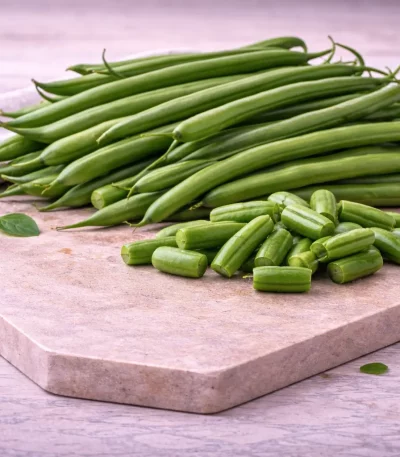
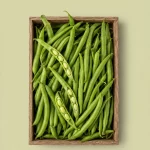
Judía Bobby (100 g)
1,29€La judía Bobby es carnosa, alargada y gruesa con forma redondeada. La vaina tiene forma de tubo y es de menor tamaño que las Peronas.
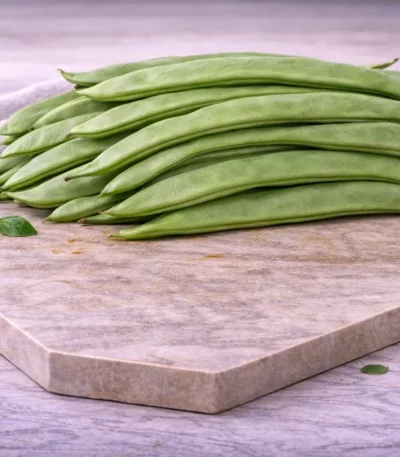
Judía Perona (100 g)
1,19€La judía Perona es la más consumida de vaina plana. Son anchas y largas, tiernas, sin hebras y de buena cocción.
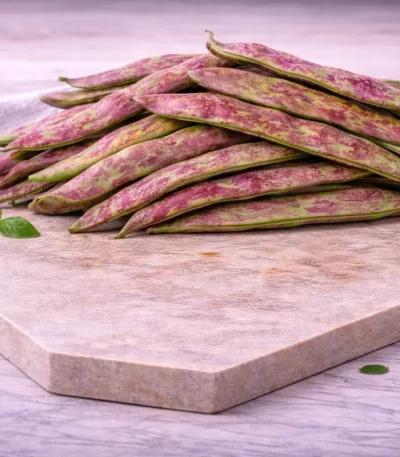
Judía Rochet (100 g)
1,29€La judía Rochet es parecida a la Perona en forma pero su color es rojo y verde. Su sabor es diferente y es muy apreciada en la provincia de Valencia.
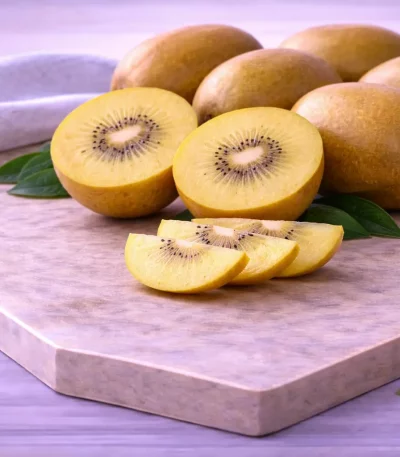
Kiwi Zespri Sungold (1 kg aprox.)
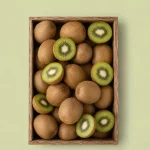
9,99€El kiwi Zespri Sungold es de pulpa amarilla con tono dorado y piel suave. Tiene un sabor muy dulce con un toque tropical. Es muy rico en vitamina C.
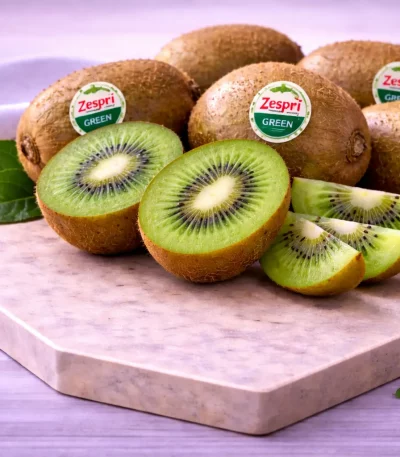
Kiwi Zespri verde (1 kg aprox.)
7,99€El kiwi Zespri verde tiene un sabor intenso con un toque ácido refrescante. Zespri es signo de calidad en estos deliciosos kiwis de Nueva Zelanda.
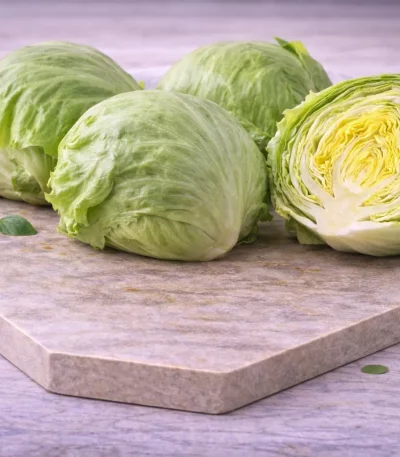
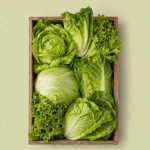
Lechuga iceberg (uds.)
1,89€La lechuga iceberg tiene forma redonda, hojas grandes, crujientes y prietas. Es verde por fuera y más blanca cuando nos acercamos al tronco.
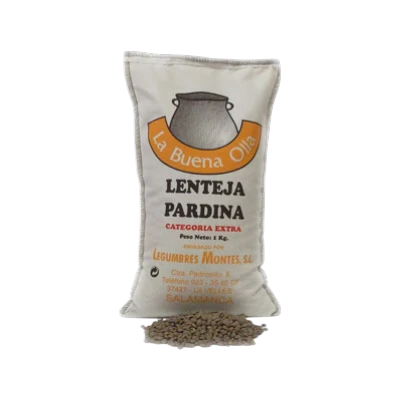
Lenteja pardina (kg)
3,10€La lenteja pardina es fácilmente reconocible por su color pardo y su reducido tamaño. Proporciona mucho color al caldo dando un sabor exquisito.

Limón categoría Extra (kg)
3,95€El limón de categoría Extra contiene vitamina C en abundancia y es bajo en calorías. Los limones se utilizan en las cocinas de todo el mundo.
Online Sports Nutrition and Natural Dietetics.
Chances are there wasn't collaboration, communication, and checkpoints, there wasn't a process agreed upon or specified with the granularity required. It's content strategy gone awry right from the start. Forswearing the use of Lorem Ipsum wouldn't have helped, won't help now. It's like saying you're a bad designer, use less bold text, don't use italics in every other paragraph. True enough, but that's not all that it takes to get things back on track.
The villagers are out there with a vengeance to get that Frankenstein
You made all the required mock ups for commissioned layout, got all the approvals, built a tested code base or had them built, you decided on a content management system, got a license for it or adapted:
- The toppings you may chose for that TV dinner pizza slice when you forgot to shop for foods, the paint you may slap on your face to impress the new boss is your business.
- But what about your daily bread? Design comps, layouts, wireframes—will your clients accept that you go about things the facile way?
- Authorities in our business will tell in no uncertain terms that Lorem Ipsum is that huge, huge no no to forswear forever.
- Not so fast, I'd say, there are some redeeming factors in favor of greeking text, as its use is merely the symptom of a worse problem to take into consideration.
- Websites in professional use templating systems.
- Commercial publishing platforms and content management systems ensure that you can show different text, different data using the same template.
- When it's about controlling hundreds of articles, product pages for web shops, or user profiles in social networks, all of them potentially with different sizes, formats, rules for differing elements things can break, designs agreed upon can have unintended consequences and look much different than expected.
This is quite a problem to solve, but just doing without greeking text won't fix it. Using test items of real content and data in designs will help, but there's no guarantee that every oddity will be found and corrected. Do you want to be sure? Then a prototype or beta site with real content published from the real CMS is needed—but you’re not going that far until you go through an initial design cycle.